Custom Cakes

Mini Cakes
Mini Cakes

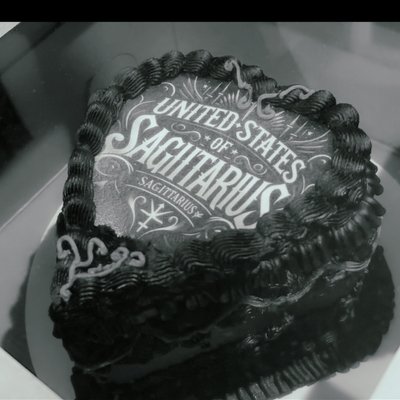
Elevate your celebrations with our custom mini heart cakes and unique burn-away cakes! Perfect for special occasions, these handcrafted delights can be fully personalized to suit your theme, with flavor options including red velvet, strawberry, vanilla, chocolate, and more. Add an extra layer of surprise with alcohol infusions or a creative burn-away design for a one-of-a-kind dessert experience. Fully customizable and made to impress!

$50.00
click for description
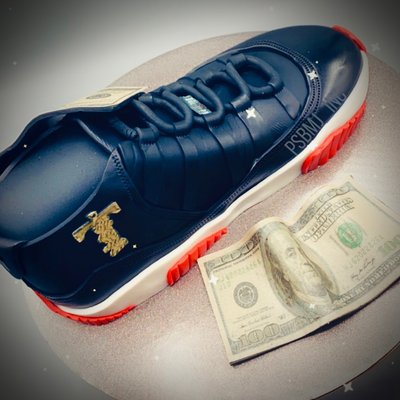
Custom Cakes/ Sheetcakes (5-25 Servings)

Our Most Popular Cake Flavors are

Whipped Vanilla

Tres Leches

Triple Strawberry

Red Velvet

Lemon Chiffon

Funfetti

Marble

Double Chocolate

~Client requested Flavors are also available~

Custom Cake Care Tips

1. Storage

• Refrigeration:

• If your cake contains perishable fillings or frostings (such as cream cheese, fresh fruits, or custards), store it in the refrigerator. Use a cake box or airtight container to prevent it from absorbing other odors.

• Buttercream and fondant cakes can generally be kept at room temperature in a cool, dry place, provided the room is not too hot (ideally under 75°F or 24°C).

• Avoiding Humidity and Heat:

• Keep the cake away from direct sunlight, heat sources, and humid environments, as these can cause melting or condensation, especially on fondant or buttercream cakes.

• Duration:

• For best taste and freshness, consume the cake within 2-3 days. If stored properly, some cakes can last up to 5 days.

2. Freezing

• Short-Term Freezing:

• If you need to freeze a custom cake, it’s best to wrap it tightly in plastic wrap and then place it in an airtight container or wrap it again in aluminum foil. This helps prevent freezer burn and preserves moisture.

• Cakes can typically be frozen for up to 1 month for optimal quality.

• Thawing:

• To thaw, transfer the cake from the freezer to the refrigerator and let it defrost slowly overnight. Bring it to room temperature about 1-2 hours before serving to restore its texture and flavor.

3. Serving

• Temperature:

• For the best flavor and texture, let refrigerated cakes sit at room temperature for about 30 minutes to 1 hour before serving. Cakes with buttercream or fondant will have a softer, more pleasant texture at room temperature.

• Slicing:

• Use a sharp knife to cut the cake, dipping it in hot water and wiping it dry between slices to ensure clean cuts.

• For tiered or stacked cakes, start slicing from the bottom layer, and use cake boards or dowels as guides to maintain structure.

4. Transporting

• Secure the Cake:

• If transporting the cake, ensure it’s placed on a flat, level surface. Use a non-slip mat or towel to prevent it from sliding around during transit.

• Temperature Control:

• Transport the cake in a cool, air-conditioned vehicle. Avoid leaving the cake in a hot car or in direct sunlight, as this can cause the frosting to melt or the structure to weaken.

5. Presentation

• Display:

• Set up the cake on a sturdy, flat surface, such as a cake stand or table. Make sure it’s in a location that is cool and away from direct heat or sunlight.

• Decorations:

• If your cake comes with separate decorative items (such as fresh flowers, figurines, or toppers), place them on the cake just before serving to ensure they remain fresh and intact.

6. Handling

• Fragility:

• Custom cakes, especially those with intricate designs or tall tiers, can be delicate. Handle them with care, and use proper tools (like cake lifters or spatulas) when moving them.

• Support Structures:

• Tiered cakes often have support structures such as dowels or cake boards. Be cautious when slicing and serving to avoid these supports.

7. Allergens and Ingredients

•Clearly communicate the ingredients used in the cake, especially if there are common allergens like nuts, gluten, dairy, or eggs.

Starting at $150.00
click for description
Custom Cakes (30-55 Servings)

Our Most Popular Cake Flavors are

Whipped Vanilla

Tres Leches

Triple Strawberry

Red Velvet

Lemon Chiffon

Funfetti

Marble

Double Chocolate

~Client requested Flavors are also available~

Custom Cake Care Tips

1. Storage

• Refrigeration:

• If your cake contains perishable fillings or frostings (such as cream cheese, fresh fruits, or custards), store it in the refrigerator. Use a cake box or airtight container to prevent it from absorbing other odors.

• Buttercream and fondant cakes can generally be kept at room temperature in a cool, dry place, provided the room is not too hot (ideally under 75°F or 24°C).

• Avoiding Humidity and Heat:

• Keep the cake away from direct sunlight, heat sources, and humid environments, as these can cause melting or condensation, especially on fondant or buttercream cakes.

• Duration:

• For best taste and freshness, consume the cake within 2-3 days. If stored properly, some cakes can last up to 5 days.

2. Freezing

• Short-Term Freezing:

• If you need to freeze a custom cake, it’s best to wrap it tightly in plastic wrap and then place it in an airtight container or wrap it again in aluminum foil. This helps prevent freezer burn and preserves moisture.

• Cakes can typically be frozen for up to 1 month for optimal quality.

• Thawing:

• To thaw, transfer the cake from the freezer to the refrigerator and let it defrost slowly overnight. Bring it to room temperature about 1-2 hours before serving to restore its texture and flavor.

3. Serving

• Temperature:

• For the best flavor and texture, let refrigerated cakes sit at room temperature for about 30 minutes to 1 hour before serving. Cakes with buttercream or fondant will have a softer, more pleasant texture at room temperature.

• Slicing:

• Use a sharp knife to cut the cake, dipping it in hot water and wiping it dry between slices to ensure clean cuts.

• For tiered or stacked cakes, start slicing from the bottom layer, and use cake boards or dowels as guides to maintain structure.

4. Transporting

• Secure the Cake:

• If transporting the cake, ensure it’s placed on a flat, level surface. Use a non-slip mat or towel to prevent it from sliding around during transit.

• Temperature Control:

• Transport the cake in a cool, air-conditioned vehicle. Avoid leaving the cake in a hot car or in direct sunlight, as this can cause the frosting to melt or the structure to weaken.

5. Presentation

• Display:

• Set up the cake on a sturdy, flat surface, such as a cake stand or table. Make sure it’s in a location that is cool and away from direct heat or sunlight.

• Decorations:

• If your cake comes with separate decorative items (such as fresh flowers, figurines, or toppers), place them on the cake just before serving to ensure they remain fresh and intact.

6. Handling

• Fragility:

• Custom cakes, especially those with intricate designs or tall tiers, can be delicate. Handle them with care, and use proper tools (like cake lifters or spatulas) when moving them.

• Support Structures:

• Tiered cakes often have support structures such as dowels or cake boards. Be cautious when slicing and serving to avoid these supports.

7. Allergens and Ingredients

• Inform Guests:

• Clearly communicate the ingredients used in the cake, especially if there are common allergens like nuts, gluten, dairy, or eggs. Consider providing alternative options for guests with dietary restrictions.

Starting at $200.00
click for description
Custom Cakes (55-200 Servings/up to 3 Tiers)

Our Most Popular Cake Flavors are

Whipped Vanilla

Tres Leches

Triple Strawberry

Red Velvet

Lemon Chiffon

Funfetti

Marble

Double Chocolate

~Client requested Flavors are also available~

Custom Cake Care Tips

1. Storage

• Refrigeration:

• If your cake contains perishable fillings or frostings (such as cream cheese, fresh fruits, or custards), store it in the refrigerator. Use a cake box or airtight container to prevent it from absorbing other odors.

• Buttercream and fondant cakes can generally be kept at room temperature in a cool, dry place, provided the room is not too hot (ideally under 75°F or 24°C).

• Avoiding Humidity and Heat:

• Keep the cake away from direct sunlight, heat sources, and humid environments, as these can cause melting or condensation, especially on fondant or buttercream cakes.

• Duration:

• For best taste and freshness, consume the cake within 2-3 days. If stored properly, some cakes can last up to 5 days.

2. Freezing

• Short-Term Freezing:

• If you need to freeze a custom cake, it’s best to wrap it tightly in plastic wrap and then place it in an airtight container or wrap it again in aluminum foil. This helps prevent freezer burn and preserves moisture.

• Cakes can typically be frozen for up to 1 month for optimal quality.

• Thawing:

• To thaw, transfer the cake from the freezer to the refrigerator and let it defrost slowly overnight. Bring it to room temperature about 1-2 hours before serving to restore its texture and flavor.

3. Serving

• Temperature:

• For the best flavor and texture, let refrigerated cakes sit at room temperature for about 30 minutes to 1 hour before serving. Cakes with buttercream or fondant will have a softer, more pleasant texture at room temperature.

• Slicing:

• Use a sharp knife to cut the cake, dipping it in hot water and wiping it dry between slices to ensure clean cuts.

• For tiered or stacked cakes, start slicing from the bottom layer, and use cake boards or dowels as guides to maintain structure.

4. Transporting

• Secure the Cake:

• If transporting the cake, ensure it’s placed on a flat, level surface. Use a non-slip mat or towel to prevent it from sliding around during transit.

• Temperature Control:

• Transport the cake in a cool, air-conditioned vehicle. Avoid leaving the cake in a hot car or in direct sunlight, as this can cause the frosting to melt or the structure to weaken.

5. Presentation

• Display:

• Set up the cake on a sturdy, flat surface, such as a cake stand or table. Make sure it’s in a location that is cool and away from direct heat or sunlight.

• Decorations:

• If your cake comes with separate decorative items (such as fresh flowers, figurines, or toppers), place them on the cake just before serving to ensure they remain fresh and intact.

6. Handling

• Fragility:

• Custom cakes, especially those with intricate designs or tall tiers, can be delicate. Handle them with care, and use proper tools (like cake lifters or spatulas) when moving them.

• Support Structures:

• Tiered cakes often have support structures such as dowels or cake boards. Be cautious when slicing and serving to avoid these supports.

7. Allergens and Ingredients

• Inform Guests:

• Clearly communicate the ingredients used in the cake, especially if there are common allergens like nuts, gluten, dairy, or eggs. Consider providing alternative options for guests with dietary restrictions.

Starting at $285.00
click for description
Specialty Cheesecakes

Popular Cheesecake Flavors:

- Red Velvet

- Banana Pudding

- Chocolate Raspberry

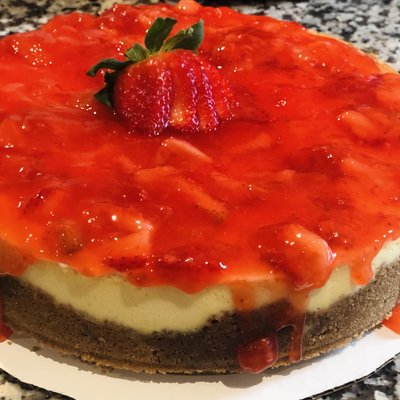
- New York Style Cheesecake with Handmade Fruit sauce (Strawberry, Blueberry, etc.)

- Key Lime

~Client Requested Flavors are available~

Cheesecake Care Tips

1. Storage

• Refrigeration: Always store cheesecakes in the refrigerator. They are a dairy-based dessert and can spoil if left out at room temperature for too long. Use an airtight container or cover the cheesecake with plastic wrap or aluminum foil to prevent it from drying out and absorbing odors from other foods.

• Shelf Life: Properly stored in the refrigerator, a cheesecake can last for up to 5-7 days. For best quality, consume within the first few days.

• Freezing: Cheesecakes can be frozen for longer storage. Wrap individual slices or the whole cheesecake tightly in plastic wrap, then in aluminum foil, or place them in a freezer-safe container. Cheesecakes can be stored in the freezer for up to 2-3 months. When ready to enjoy, thaw in the refrigerator overnight.

2. Serving

• Temperature: Cheesecake is best served chilled but can be taken out of the refrigerator 15-30 minutes before serving to enhance the flavors and soften the texture slightly.

• Slicing: To achieve clean slices, use a sharp knife dipped in hot water, then wipe the blade dry before cutting each slice. Repeat the process between each cut.

• Presentation: Serve cheesecake with complementary toppings such as fresh berries, whipped cream, chocolate shavings, or a drizzle of fruit sauce or caramel.

3. Handling

• Delicacy: Cheesecakes are dense and delicate. Handle with care to prevent cracks or damage to the surface. Use a cake lifter or large spatula to transfer slices to serving plates.

• Transport: If transporting a cheesecake, keep it in a sturdy container to prevent movement. Keep it chilled using ice packs or a cooler, especially if the journey is long or in warm weather

Starting at $50.00
click for description

Powered by